

New Granny Flat Rules in New Zealand — What Property Owners Need to Know in 2026
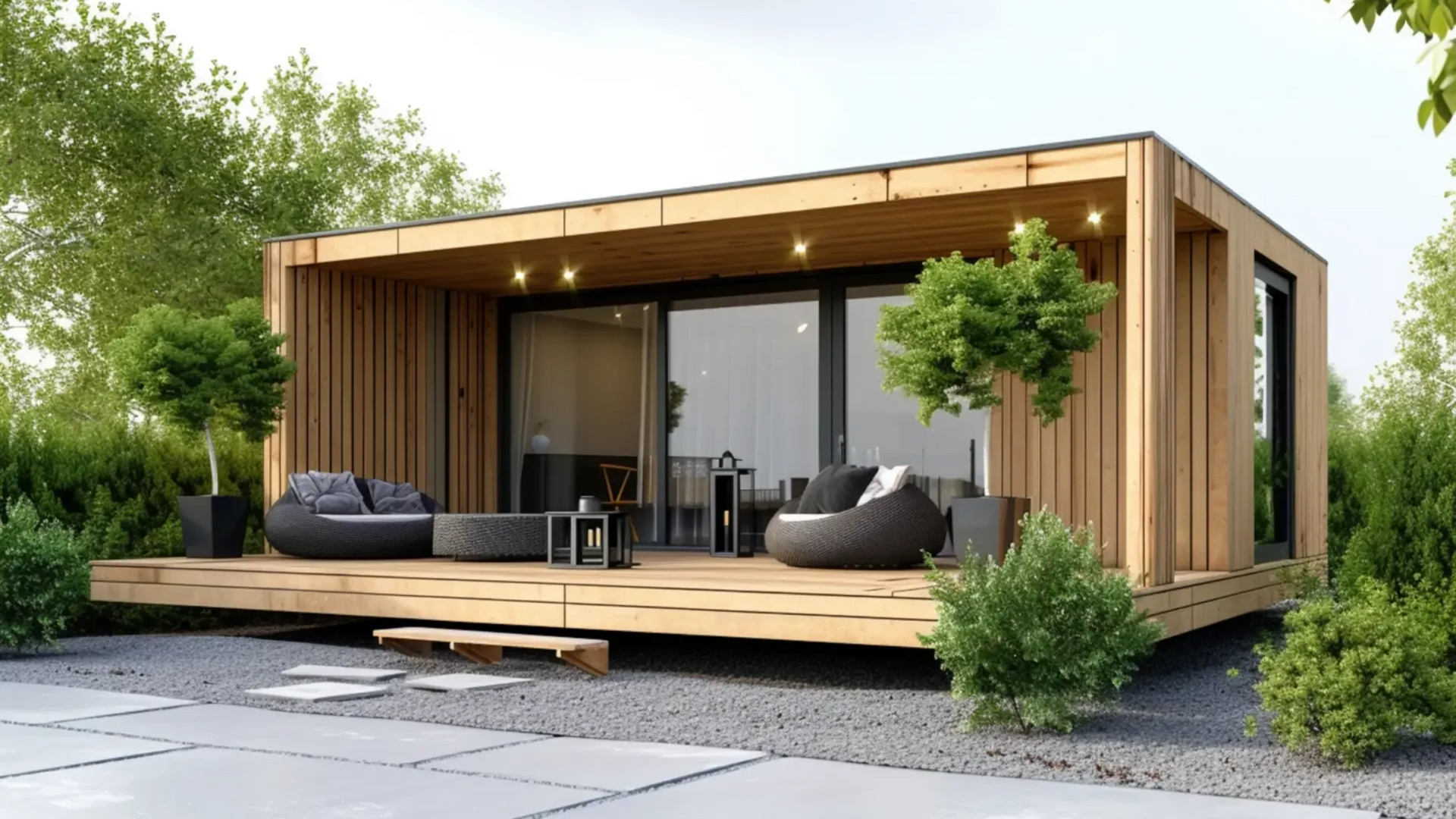
As of January 15th, 2026, New Zealand property owners are able to build small, standalone secondary dwellings — or 'granny flats'— without building consent in many circumstances.
This is a significant shift in housing and building regulations, making it easier to add additional housing onto your property.
So, what’s Changed?
Under the Building and Construction (Small Stand‑Alone Dwellings) Amendment Act 2025, homeowners can now construct a granny flat without full building consent, subject to the following conditions:
- The dwelling must be new, standalone and single‑storey.
- It must be no larger than 70 square metres.
- It must have a simple design and comply with the New Zealand Building Code.
- Any work done must be carried out or supervised by licensed building professionals (builders, electricians, plumbers, etc.).
- Homeowners must notify their council before construction begins and after completion.
- The new dwelling must still meet local rules surrounding the distance from boundaries and other dwellings.
Why the Change?
The government has introduced these reforms to:
- Reduce regulations, making it faster to build small, affordable housing options.
- Encourage multigenerational living and flexible housing solutions for families.
- Help boost overall housing supply in a market where demand is high.
- Support construction activity by freeing up councils to focus on more complex building projects.

While full building consent is no longer required for qualifying builds, property owners still have the following responsibilities:
Before You Build:
- Apply for a Project Information Memorandum (PIM) from your local council. This replaces the building consent and ensures council records cover the upcoming work.
- Check local planning and zoning rules, as resource consent may still be needed in some areas depending on local plans.
- Confirm the site is suitable and not in a hazard‑prone area.
During Construction:
- Only licensed professionals should undertake or supervise building, plumbing, electrical, gas, and drainage work.
After Construction:
- Provide the council with all required documentation, including final plans, Records of Work from tradespeople, and compliance certificates.
- Pay any applicable development contributions or fees set by your council.
Costs, Rates & Financial Considerations
Although the process has been made easier and more cost efficient, there are still costs to be considered:
- Construction costs (materials, labour, utilities).
- PIM application fees and possible development contributions.
- Increased property rates - councils will often increase rates for properties with additional dwellings.
Things to Watch Out For
Despite the simpler process, those looking to build a granny flat under these new rules must fully understand the requirements to avoid illegal or non‑compliant structures.
Always:
· Seek professional advice early.
· Contact your local council before building.
· Keep detailed records of all work and certifications.
We hope this gave you some guidance around the new granny flat regulations. If you're looking to top up your existing lending to add a granny flat to your property, or would just like to discuss your financial goals, feel free to book a chat with one of our mortgage advisers. We're based in Nelson and Hawkes Bay but look after clients all over New Zealand.
Looking forward to hearing from you,
Fiona & Amy